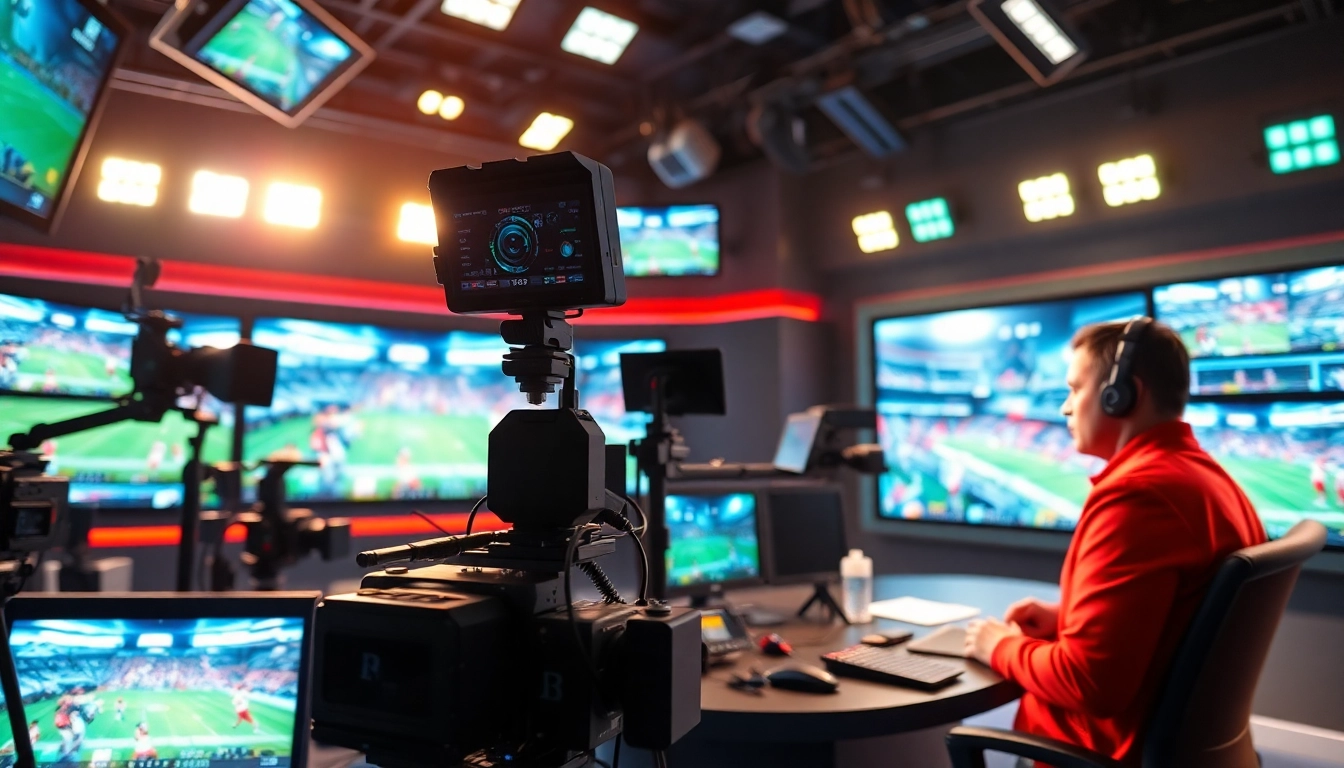
Introduction to Sports Broadcasting
What is Sports Broadcasting?
Sports Broadcasting refers to the dissemination of sports events through various media platforms, including television, radio, and online streaming. It connects fans to their favorite games, teams, and players. This vital segment of media not only entertains but also informs and engages millions of viewers globally, creating a dynamic interaction between sports and their audiences. In an era of increasing media choices, Sports Broadcasting has evolved into a multi-faceted industry that combines technical proficiency, storytelling, and audience engagement.
Evolution of Sports Broadcasting
The origins of sports broadcasting can be traced back to the early 20th century when radio broadcasts allowed fans to follow games in real-time from afar. The introduction of television in the 1950s revolutionized the industry, leading to unprecedented viewership numbers and the lucrative partnerships between networks and sporting leagues. Over the decades, technological advancements introduced live coverage, instant replays, and multi-camera angles, which significantly enhanced the viewer experience. Today, digital streaming platforms and social media have further transformed the landscape, granting fans access to live events on-demand and increasing the interactivity of sports consumption.
Importance in Modern Media
In today’s digital age, Sports Broadcasting plays a critical role in shaping the media landscape. It contributes significantly to advertising revenue, influencing trends and viewer habits. Sports events are among the most-watched programming worldwide, with major tournaments offering immense potential for brands seeking visibility. As audiences crave more personalized content, broadcasters must adapt by providing tailored coverage that resonates with diverse viewer demographics. Furthermore, the impact of Sports Broadcasting extends beyond entertainment; it fosters community, inspires social movements, and contributes to the cultural identity of regions.
Key Elements of Effective Sports Broadcasting
Essential Equipment for Sports Broadcasting
Successful sports broadcasting requires a blend of high-quality equipment and technology. Essential components include cameras, microphones, mixing consoles, and broadcast trucks. Cameras equipped with advanced capabilities, such as slow-motion and high-definition imaging, capture the action with stunning clarity. Microphones, including lapel and shotgun types, ensure that the audio quality matches the visual presentation, allowing commentary and crowd reactions to be easily heard. Furthermore, graphics and editing software facilitate the integration of real-time statistics and replay highlights, enhancing the overall viewing experience.
Role of Broadcast Teams
Broadcast teams are the heartbeat of Sports Broadcasting, bringing expertise and charisma to the industry. Typically composed of commentators, analysts, reporters, and production staff, these teams work collaboratively to deliver seamless coverage. Commentators provide live play-by-play coverage, while analysts offer insights and interpretation of the events. Reporters gather information on player injuries, team strategies, and trending stories, ensuring that audiences are well-informed. The synergy of these roles enhances audience engagement, drawing viewers into the excitement of the game.
Importance of Scriptwriting and Content Preparation
Scriptwriting and content preparation are vital components of effective Sports Broadcasting. A well-prepared script acts as a roadmap for the broadcast, highlighting key moments, statistics, and storylines. Content preparation includes extensive research on teams, players, and historical data to provide context. Engaging narratives enhance the viewing experience, transforming ordinary transmissions into compelling stories. Furthermore, broadcast teams must remain flexible to adapt to the unpredictable nature of live sports, necessitating a balance between scripted content and improvisation.
Innovative Techniques in Sports Broadcasting
Utilizing Technology and Live Streaming
Technology is a driving force in the evolution of Sports Broadcasting, with live streaming platforms enabling audiences to access games anytime, anywhere. This shift allows broadcasters to reach a global audience, breaking down geographical barriers and accommodating diverse viewer preferences. Innovative tools like cloud-based graphics systems, 360-degree cameras, and augmented reality are transforming how events are presented, offering interactive experiences that captivate audiences. Additionally, fan engagement through second-screen experiences promotes real-time interaction during games, enhancing overall viewer engagement.
Engaging Audiences Through Social Media
Social media platforms have emerged as essential tools for amplifying sports content and engaging audiences. Broadcasters utilize platforms like Twitter, Instagram, and TikTok to share behind-the-scenes footage, player interviews, and game highlights. These channels foster community interaction, allowing fans to participate in discussions and share their views. Engaging audiences on social media also provides broadcasters with immediate feedback, helping them understand viewer preferences and tailor content accordingly. This two-way communication enhances the relationship between fans and their favorite sports, fostering loyalty and deeper connections.
Enhancing Viewer Experience with Graphics
Graphics play a crucial role in Sports Broadcasting, elevating the viewer experience beyond mere visuals and sound. High-quality graphics deliver real-time data such as player stats, game scores, and strategic analysis, creating a comprehensive viewing experience. Infographics that depict player performances visually engage audiences in a meaningful way while simplifying complex information. Additionally, advanced graphics technology allows for dynamic presentations, such as virtual ads and augmented reality elements, which can enhance the storytelling aspect of sports broadcasts.
Challenges Faced in Sports Broadcasting
Handling Unexpected Situations
Live Sports Broadcasting is inherently unpredictable, with unexpected situations arising that can disrupt coverage. Technical glitches, weather-related delays, and even player injuries can impact a broadcast’s fluidity. Effective broadcast teams must possess the ability to think on their feet, adeptly handling these challenges while maintaining viewer engagement. Establishing contingency plans and ensuring that all team members are trained to respond quickly can mitigate the effects of unexpected disruptions. Practice and rehearsals are essential to prepare for various scenarios, ensuring that the broadcast remains professional and engaging.
Navigating Legal Permissions and Copyrights
Legal permissions and copyright regulations pose significant challenges in Sports Broadcasting. Broadcasters must secure rights to depict events, music, and highlights, often navigating complex licensing agreements. Failing to adhere to copyright laws can result in costly fines and legal disputes. It is crucial for broadcasters to work with legal teams to ensure compliance and avoid potential pitfalls. Understanding the nuances of international broadcasting rights and ensuring all agreements are in place is vital to maintaining operational integrity and preventing disruptions.
Competing with Other Media Platforms
The rise of digital media has intensified competition within Sports Broadcasting. Streaming services and social platforms can attract audiences with exclusive content, creating a challenging landscape for traditional broadcasters. To combat this, broadcasters must innovate their offerings—providing unique coverage, engaging storytelling, and enhanced viewer experiences. Partnering with digital platforms to reach wider audiences is also essential, allowing broadcasters to adapt and evolve while addressing changing viewer habits. Failure to meet audience expectations can result in a decline in viewership, making constant adaptation a necessity.
Future Trends in Sports Broadcasting
The Impact of VR and AR Technologies
Virtual Reality (VR) and Augmented Reality (AR) technologies are poised to redefine Sports Broadcasting by offering immersive experiences that replicate the exhilaration of attending live events. VR technology allows viewers to experience games from unique perspectives, while AR can enhance real-time broadcasts with added layers of information. These technologies make sports more accessible, engage fans in innovative ways, and provide unprecedented levels of detail. As adoption increases and technology becomes more refined, VR and AR will likely become staples in broadcasting, transforming how audiences connect with sports.
Audience Analytics for Tailored Content
Leveraging audience analytics is crucial for broadcasters aiming to create targeted and personalized content. Understanding viewer preferences, behaviors, and demographic data allows broadcasters to tailor their offerings, enhancing viewer satisfaction and loyalty. Data analytics can inform decision-making regarding programming, scheduling, and content creation, ensuring that broadcasters remain relevant and appealing. By engaging directly with fan preferences through feedback mechanisms and social media interactions, broadcasters can develop content strategies that resonate with specific audience segments.
Shifts in Viewer Habits and Preferences
As technology evolves, so do viewer habits and preferences. Audiences are increasingly seeking on-demand content that fits their schedules, preferring shorter highlight reels over traditional game broadcasts. The trend toward mobile viewing presents both challenges and opportunities for broadcasters. Developing flexible streaming options, incorporating interactive features, and providing personalized content will be key strategies in adapting to these shifts. Understanding generational differences in media consumption will also help broadcasters connect with younger viewers, ensuring their relevance in an ever-changing landscape.
Frequently Asked Questions
What is the role of commentators in sports broadcasting?
Commentators provide live play-by-play coverage, enhancing viewer engagement by describing the action, offering insights, and adding personality to broadcasts. Their expertise helps fans understand the nuances of the game.
How has technology impacted sports broadcasting?
Technology has transformed sports broadcasting by introducing live streaming, advanced graphics, and interactive features. It enables broadcasters to reach wider audiences and offer tailored viewing experiences.
What challenges do broadcasters face?
Broadcasters face challenges such as technical disruptions, legal licensing issues, and competition from digital platforms. Adaptability and innovative strategies are key to overcoming these obstacles.
What trends are shaping the future of sports broadcasting?
Future trends include the use of VR/AR technologies, personalized content through analytics, and shifts in viewer habits toward on-demand and mobile viewing options.
Why is audience engagement important in sports broadcasting?
Audience engagement is crucial for building a loyal viewer base, enhancing the overall experience, and increasing viewership numbers. Interactive features and social media dialogue foster community connections.